Neonvoramila
Origin Archive
Origin Archive
Couldn't load pickup availability
- 📄 Digital file available after purchase
- 📚 Long-term availability
- 🔒 Secure checkout
- 📅 Content updated in 2026
Self-paced learning overview
1. Problem Statement
Developing extensive SMM strategies requires coordinating information sources, analytical materials, and editorial decisions within a connected communication system. Even detailed content plans may become outdated when the information environment changes, new audience questions appear, or earlier messages require revision. Insufficient attention to source verification and claim documentation creates a risk of distributing inaccurate or incomplete information. Complex communication situations also require a clear understanding of response procedures, editorial responsibilities, and appropriate methods for correcting materials. Without structured strategic research and information review processes, maintaining consistent digital communication becomes a demanding organizational task.
2. Solution
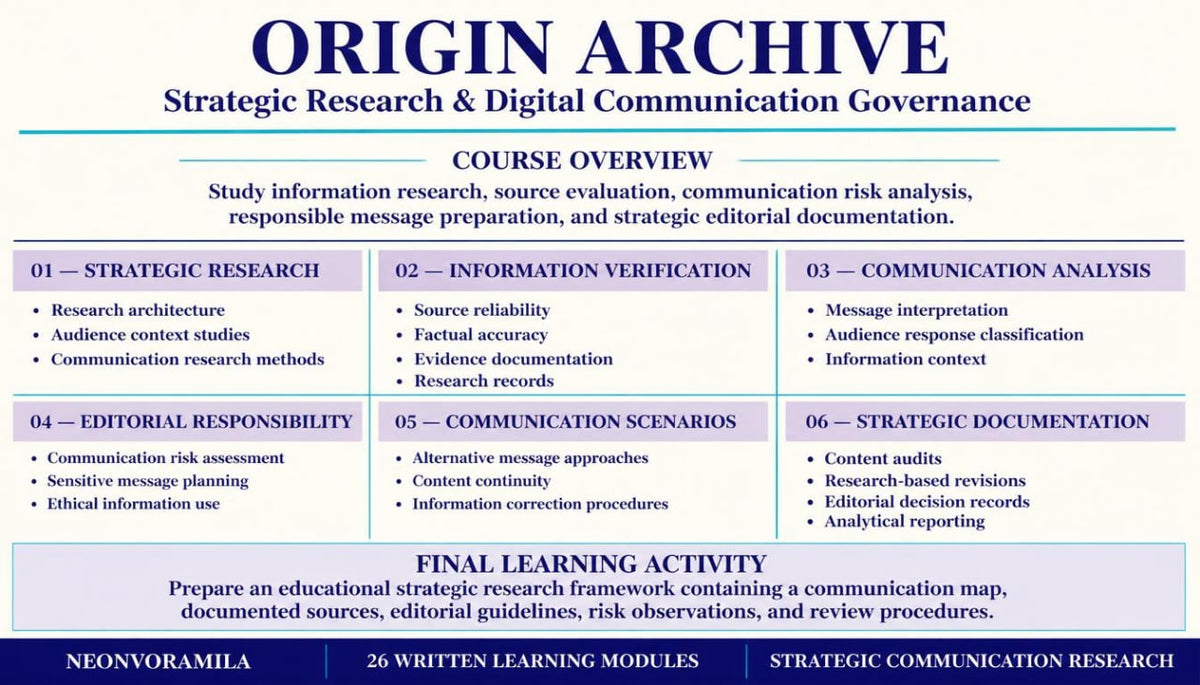
Origin Archive introduces an advanced educational approach to digital communication research through written modules, analytical examples, and practical assignments. The course explains how to organize research materials, evaluate information sources, and connect recorded observations with editorial decisions. Dedicated sections examine communication risks, alternative scenario development, and publication review procedures. Educational exercises demonstrate methods of documenting strategic assumptions, verifying factual accuracy, and preparing responsible communication messages. The final project combines these elements into an educational SMM strategy framework containing a research structure, editorial guidelines, and analytical review procedures.
3. What's Inside
Module 1: Advanced SMM Research Foundations
Explore principles of advanced digital communication research and its role in strategic planning.
Module 2: Strategic Research Architecture
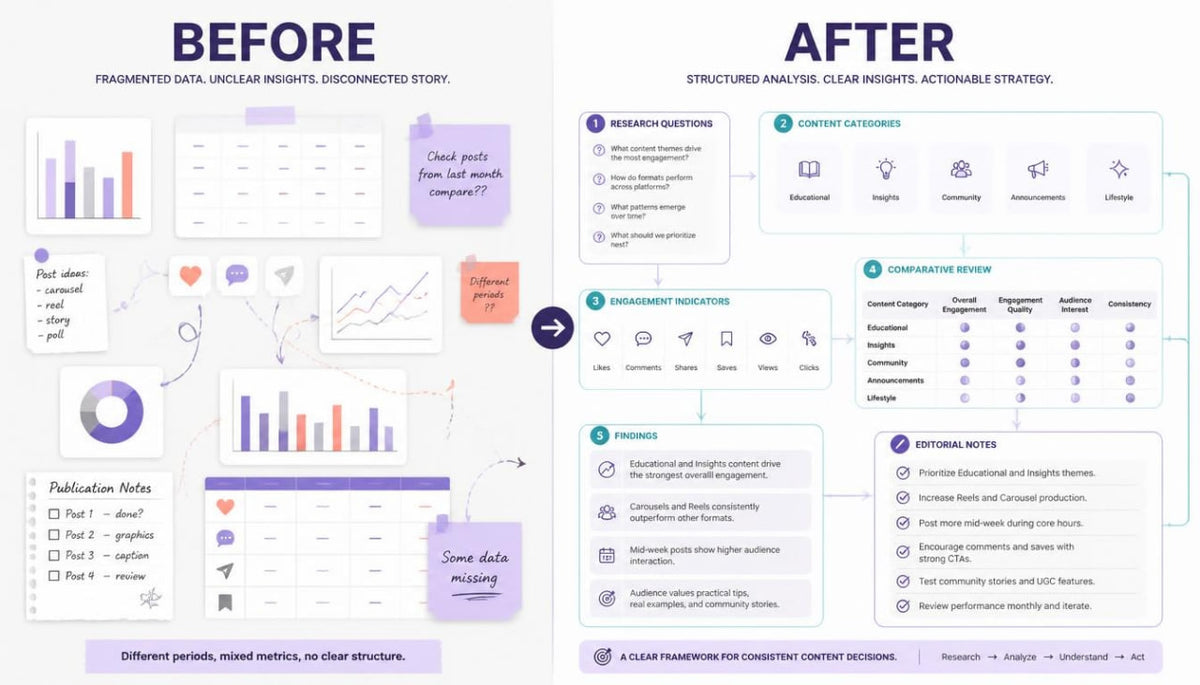
Learn how to organize research questions, information sources, and analytical records within a structured framework.
Module 3: Information Source Evaluation
Examine criteria for assessing the reliability, relevance, and current validity of information sources.
Module 4: Content Evidence Documentation
Study methods of documenting facts, references, and explanations used in preparing informational messages.
Module 5: Audience Context Research
Explore approaches to examining the informational environments in which different audience groups interpret digital content.
Module 6: Strategic Communication Mapping
Learn how to prepare multi-layer communication maps connecting audiences, informational objectives, and messages.
Module 7: Content Research Methodology
Examine principles of selecting research methods according to defined informational questions.
Module 8: Editorial Knowledge Architecture
Study the organization of research notes, thematic materials, and editorial findings within a connected knowledge structure.
Module 9: Communication Context Analysis
Explore approaches to analyzing circumstances that may influence the interpretation of digital messages.
Module 10: Information Accuracy Review
Learn how to apply editorial criteria when verifying factual statements and comparing materials against referenced information.
Module 11: Message Interpretation Research
Examine methods of comparing how different audience groups might interpret informational messages.
Module 12: Communication Risk Identification
Study approaches to identifying content, reputational, and organizational considerations during communication planning.
Module 13: Editorial Decision Documentation
Learn how to record editorial reasoning, initial assumptions, and information used to support decisions.
Module 14: Alternative Communication Scenarios
Explore principles of preparing several communication scenarios for different informational circumstances.
Module 15: Sensitive Communication Planning
Examine methods of preparing measured, fact-based messages concerning complex or sensitive subjects.
Module 16: Audience Response Classification
Learn how to organize audience questions, observations, and reactions according to thematic and communication characteristics.
Module 17: Community Communication Guidelines
Study principles of establishing constructive discussion guidelines, respecting participants, and maintaining editorial responsibility.
Module 18: Information Correction Procedures
Explore methods of documenting inaccuracies, preparing corrections, and explaining revisions to informational materials.
Module 19: Communication Continuity Planning
Examine approaches to maintaining thematic consistency when editorial calendars or informational priorities change.
Module 20: Strategic Content Audit
Learn how to conduct an educational content audit using criteria related to relevance, accuracy, thematic alignment, and structure.
Module 21: Research-Based Editorial Revision
Study methods of adjusting messages and content plans using documented research observations.
Module 22: Ethical Communication Framework
Explore principles of privacy, transparent information presentation, and responsible data handling.
Module 23: Strategic Reporting and Review
Learn how to prepare structured reports describing research methods, informational findings, and editorial recommendations.
Module 24: Long-Term Communication Documentation
Examine methods of maintaining records of strategic decisions, editorial revisions, and thematic studies.
Module 25: Integrated Research Governance
Study principles of combining research procedures, editorial review, and communication guidelines into a connected system.
Module 26: Origin Archive Research Studio
Develop a final educational project containing a strategic communication map, research records, risk analysis, and editorial review procedures.
4. Who Is This For?
✅ This course may suit you if you:
- Already understand content strategy, editorial planning, and SMM analytics.
- Want to examine digital communication research methods in greater detail.
- Are interested in information verification and responsible content development.
- Would like to study communication risk analysis principles.
- Want to learn how to prepare alternative editorial scenarios.
- Are interested in methods of documenting strategic decisions.
- Would like to explore ethical aspects of digital audience interaction.
- Prefer independent study through written materials, analytical examples, and practical exercises.
❌ This course may not match your needs if you:
- Are beginning to study introductory SMM concepts.
- Are looking for short introductory materials about individual publication creation.
- Need a completed content strategy for your own organization.
- Expect an actual audience research service.
- Are searching exclusively for technical advertising configuration instructions.
- Require personalized management of communication situations.
- Prefer individual consultations instead of structured written educational materials.
5. What You'll Learn
- Organizing strategic SMM research.
- Evaluating information sources.
- Developing communication maps.
- Reviewing content accuracy.
- Analyzing communication risks.
- Planning alternative scenarios.
- Documenting editorial decisions.
- Conducting content audits.
- Preparing analytical reports.
- Developing responsible communication guidelines.
6. Refund Terms
Refund requests for Origin Archive may be submitted within 14 days after purchase. Request eligibility and applicable conditions for digital educational materials follow the store's published refund policy and applicable law.
7. Certificates & Credentials
Origin Archive: Upon completing Origin Archive, we will provide a digital Neonvoramila certificate recognizing your study of brand identity and storytelling.
1. What format do Neonvoramila courses follow?
1. What format do Neonvoramila courses follow?
Neonvoramila courses are presented as written educational materials organized into topics and modules. They contain explanations, subject-specific examples, and exercises for independent study. The contents of each course are described separately.
2. Do I need previous SMM experience?
2. Do I need previous SMM experience?
The Neonvoramila collection covers introductory and advanced digital communication topics. Early courses introduce foundational concepts, while later materials examine more detailed approaches to content planning, audience research, and communication analysis. We recommend reviewing the module descriptions before selecting a course.
3. How do the course tiers differ?
3. How do the course tiers differ?
Each tier focuses on a defined range of subjects and follows its own learning module structure. The courses are arranged from foundational concepts to more detailed SMM studies. The curriculum descriptions explain the topics covered in each set of educational materials.
Share